
What is aesthetic dentistry?
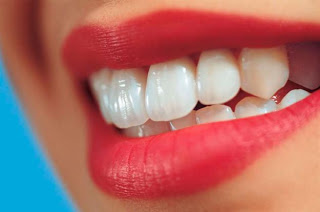
Aesthetic dentistry examines the details that create harmony in the face and smile and seeks to answer the question, "What else could these teeth naturally have looked like?" When the answer is applied correctly, the result is a pleasant appearance that complements facial expression without interfering with eye contact while speaking. Many factors are considered, including the color, translucency, surface texture, shape, size, angles, relationships between the teeth, proportions, gum levels, and smile line, and all treatments are carried out according to these criteria.
Although aesthetic dentistry is not a separate specialty, all treatments are approached differently in the aesthetic zone because expectations are different in this area. Surgical procedures performed in the aesthetic zone (implantology, treatment of gum recession, etc.) are planned with pink aesthetics in mind. While it is sufficient for the color of a filling placed in a back tooth to resemble the natural tooth color, in the front region not only must the color match perfectly, but the translucency and surface texture are also expected to be identical.All treatments performed in the aesthetic zone—that is, treatments affecting the smile—fall within the scope of aesthetic dentistry and require an excellent standard of execution. Aesthetic treatments may be performed to correct visual imperfections. Treatments required because of an accident or disease are also managed with special consideration when they involve the aesthetic zone.
What is Smile Design?
Smile design is the creation of an ideal, personalized smile by combining dentistry with artistic principles. Facial features, gender, age, smile symmetry, the alignment, shape and color of the teeth, as well as the lips and gums, are among the factors that determine the overall appearance of a smile. Smile design involves planning a healthy and natural-looking smile by taking all these factors and the patient’s personal preferences into consideration.
Bleaching (Teeth whitening)
Teeth whitening is the process of lightening the color of the teeth.
Teeth that are naturally dark due to genetic factors can be lightened by several shades with bleaching. Discoloration affecting a single tooth, which may occur in necrotic teeth or after certain root canal treatments, as well as intrinsic discoloration caused by long-term consumption of products such as cigarettes, coffee and red wine, can also be reduced with bleaching treatments.
Chemical whitening methods are generally preferred because they are more conservative and effective, while abrasive methods are not recommended. Various light sources may be used only to accelerate the whitening process during treatment.
Chemical whitening is performed by applying oxidative gels to the surfaces of the teeth. By breaking certain chemical bonds within the tooth structure, the teeth become lighter in color.
The duration of whitening treatment varies depending on the type and concentration of the bleaching agent used and the desired shade. The initial tooth color is also important; for example, yellow-toned teeth generally respond better to whitening treatment than gray-toned teeth.
Pink Aesthetics
Pink aesthetics refers to the size, position and symmetry of the teeth and gums along the smile line, as well as their harmonious relationship with the lips. Teeth affected by gum recession may appear longer, while teeth that have not completed passive eruption may appear shorter, horizontally rectangular or square.
Individuals with a gummy smile, where excessive gum tissue is visible when smiling, may often feel uncomfortable smiling freely.
In many cases, these conditions can be corrected with relatively minor surgical procedures.
Procedures performed for pink aesthetics can only be applied to healthy gums.
Laminate Veneers
Laminate veneers are a treatment in which an ultra-thin layer of porcelain, translucent enough to mimic natural tooth enamel, is bonded to the front surface of the tooth. They are preferred as a minimally invasive treatment for correcting minor defects, closing gaps between teeth, and improving the color, shape, and alignment of the teeth. They can be applied without any tooth preparation (prepless) or with minimal preparation of up to 0.3 millimetres. Feldspathic ceramics or lithium disilicate (glass ceramics) are used to fabricate laminate veneers. These ultra-thin, leaf-like porcelain restorations are bonded to the tooth surface using state-of-the-art adhesive systems.
Aesthetic Crown and Bridges
Dental veneers, crowns and bridges are used in the treatment of missing teeth as implant-supported or tooth-supported prosthetic restorations. They are also used to protect natural teeth in cases of extensive tooth structure loss or when planning removable prostheses.
Today, dental materials have advanced significantly and can provide the biocompatibility, durability, and aesthetics expected from modern restorations. Although the choice of material depends on the purpose of treatment and the area where it will be applied, the most commonly preferred materials, starting with the most aesthetic, are as follows:
- Feldspathic ceramics
- Lithium disilicate
- Zirconia(Layered zirconia,Monolithic zirconia)
- Metal-ceramic restorations
Feldspathic ceramics are highly translucent ceramics that can only be used for anterior laminate veneers. They can be fabricated in very thin layers.
Lithium disilicate, also known as glass ceramic, is a highly aesthetic material available in different levels of translucency, from translucent to opaque. Thanks to these properties and its strength, it is the most commonly preferred material for laminate veneers, all-ceramic crowns, and onlays. It can also be used for single crowns in the posterior region. However, because of its strength limitations, it is not preferred for bridges.
Zirconia can be used for posterior teeth and is also an aesthetic material that is generally preferred in the anterior region for bridges or when multiple teeth need to be connected. In the aesthetic zone, layered zirconia allows us to mimic the appearance of natural teeth. For long posterior bridges, however, only monolithic zirconia provides sufficient strength. Zirconia is also a suitable option for implant-supported restorations.
Metal-ceramic restorations are the most suitable option for very long bridges. They can also be preferred for single crowns in the posterior region. Thanks to the tooth shapes, colors, and the fine craftsmanship of the porcelain layered over the metal framework, we can also achieve highly aesthetic results with metal-ceramic crowns and bridges.